How Canadian Online Gaming Innovations Are Influencing the US iGaming Market in 2026: Payment Speed, Regulatory Standards, and Player Protection
How Canadian Online Gaming Innovations Are Influencing the US iGaming Market in 2026: Payment Speed, Regulatory Standards, and Player Protection
I've spent the better part of five years tracking how the North American iGaming markets talk to each other, and 2026 has made something crystal clear: Canada isn't just participating in this conversation — it's leading it. While US operators love talking about their massive revenue numbers (fair enough, they've got the population to back it up), the real innovations shaping how American players actually experience online gaming? Those are coming from up north.
The influence runs deep. From how fast your winnings actually hit your account to the safety mechanisms that catch problem gambling before it spirals, Canadian operators and regulators have quietly built the blueprint that's now defining what 'good' looks like in the US market. I'll walk you through exactly how this is playing out across three critical areas: payment speed, regulatory frameworks, and player protection.
The Cross-Border Evolution of North American iGaming Standards
Here's the thing about 2026 — you can't understand where we are without looking at where we've been. For over a decade, Canada operated in this fascinating grey-market-turned-regulated space that became a proving ground for European operators eyeing the US. They'd test products, refine player experiences, figure out what actually worked in a North American context before diving into the regulatory maze south of the border.
But something shifted. Those Canadian innovations stopped being experiments and became benchmarks.
I'm watching three pillars where this influence hits hardest. Payment processing speed — that's moved from 'nice to have' to table stakes. The regulatory frameworks Ontario built? US states are literally copying the homework. And player protection mechanisms that Canada developed are now the moral baseline American platforms have to meet. What matters is this: we're seeing a homogenized North American standard where quality, speed, and safety don't stop at the border anymore.
Payment Speed Revolution: Learning from Canadian Efficiency
Nothing pisses off a player faster than waiting for their own money. I've seen it a thousand times — you hit a nice win, submit the withdrawal, then... you wait. Three days. Five days. In the old US market, that was just how it worked.
Look north, though, and you'd see a completely different reality taking shape. Canadian operators figured out how to leverage efficient banking networks for near-instant fund access years ago. In 2026, US operators are scrambling to match what I'm calling 'Canadian-style' speed standards because players won't tolerate anything less.
The pressure's real. When I analyze the operational benchmarks of the best online casino in Canada fast payout systems, the efficiency is striking — American operators are now racing to match it. These top-tier Canadian platforms process withdrawals in under an hour, and that's reset American consumer expectations completely. A New Jersey sportsbook holding funds for days while Ontario casinos clear transactions in minutes? That's a business-killing gap.
We're seeing rapid integration of US-specific instant payment rails — RTP (Real-Time Payments) and FedNow — mirroring Canada's Interac system. The 24-hour payout window used to be a VIP perk. Now it's baseline, and that shift happened because of cross-border competitive pressure.
Technology Behind Instant Payouts
How are they actually pulling this off? I've watched US operators import specific tech that was perfected in the Canadian market. We're talking sophisticated automated verification systems that approve withdrawal requests without any human touching them — assuming certain risk parameters check out.
By 2026, AI is handling the bulk of these approvals. That's a practice Canadian operators refined first.
Then there's the deeper stuff: blockchain integrations and open banking APIs that let the casino platform talk directly to your bank. No traditional clearinghouse middleman slowing everything down. It's a genuine technological leap that's turned the 'cashier' section of US gaming apps into actual high-speed financial hubs instead of the clunky afterthought they used to be.
The Economic Impact of Faster Payments on Player Retention
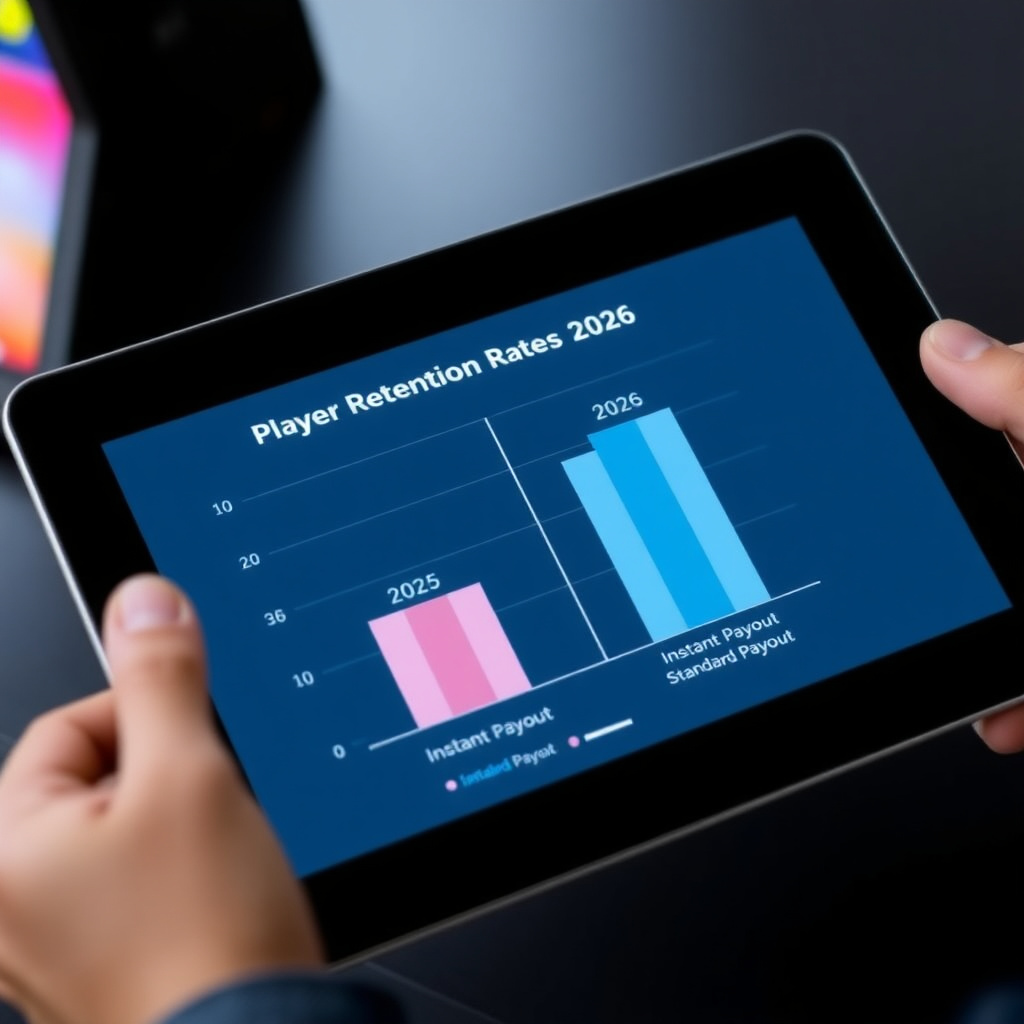
The economics here are honestly compelling. Data from early 2026 shows a direct correlation between payout speed and player lifetime value (LTV). In markets where operators adopted instant withdrawal capabilities, retention rates are significantly higher than platforms stuck with legacy systems.
Players treat payout speed as a trust signal. If a site pays me instantly, I'm reading that as: the game's fair, the company's solvent, they're not trying to create friction hoping I'll reverse the withdrawal. By adopting Canadian efficiency standards, US operators are seeing reduced churn and higher redeposit rates. The money moves faster, but it actually stays in the ecosystem longer. Counterintuitive until you think about it.
Regulatory Standards: Provincial Models Informing State-Level Frameworks
Payments drive the user experience, sure. But regulation drives whether the industry even survives. In 2026, I'm seeing this fascinating trend where US state regulators are basically studying Canadian provincial models — specifically Ontario's AGCO and iGaming Ontario — for guidance on balancing open markets with strict oversight.
The 'Ontario Model' fully matured between 2022 and 2026, and it proved you could transition grey market operators into a regulated framework without killing competition. US states expanding their iGaming laws this year are adapting these concepts directly. There's a shift toward licensing requirements that prioritize operator accountability and technical integrity over just charging massive licensing fees.
Ontario's iGaming Framework as a US Blueprint
Ontario's 2022 launch was a watershed moment. By 2026, its impact on US legislation is undeniable. States like New York and Illinois are borrowing heavily from Ontario's approach to advertising standards and third-party audits in their ongoing legislative adjustments. Stricter affiliate marketing controls, localized responsible gambling strategies — these are all elements being incorporated almost verbatim.
What I find interesting is the US moving away from purely protectionist state-monopoly models toward the more competitive, multi-operator ecosystem Ontario championed. This shift creates a more vibrant market where innovation actually thrives because operators compete on product quality instead of just fighting for market access. Better for players, better for the industry long-term.
Player Protection Innovations Setting New Standards
This might be the most important influence Canadian gaming has had on the US market in 2026 — player safety. Canada's historically taken a more public-health-focused approach to gambling, and those mechanisms are now baseline expectations in US jurisdictions.
We're seeing widespread adoption of 'Reality Checks' — pop-ups reminding players how long they've been playing and how much they've spent. These originated in Europe and Canada, but their implementation in US apps has become way more aggressive and intelligent this year. Centralized self-exclusion databases that let a player block themselves from all operators in a jurisdiction simultaneously? Modeled after Canadian provincial systems.
Another area: transparency around Return to Player (RTP) percentages. Canadian regulators have demanded clear odds disclosure for years. In 2026, I'm noticing US apps placing this info front and center instead of burying it in the terms and conditions. That's driven by a consumer base that's become more educated through exposure to international standards.
Competitive Pressure Driving US Market Improvements
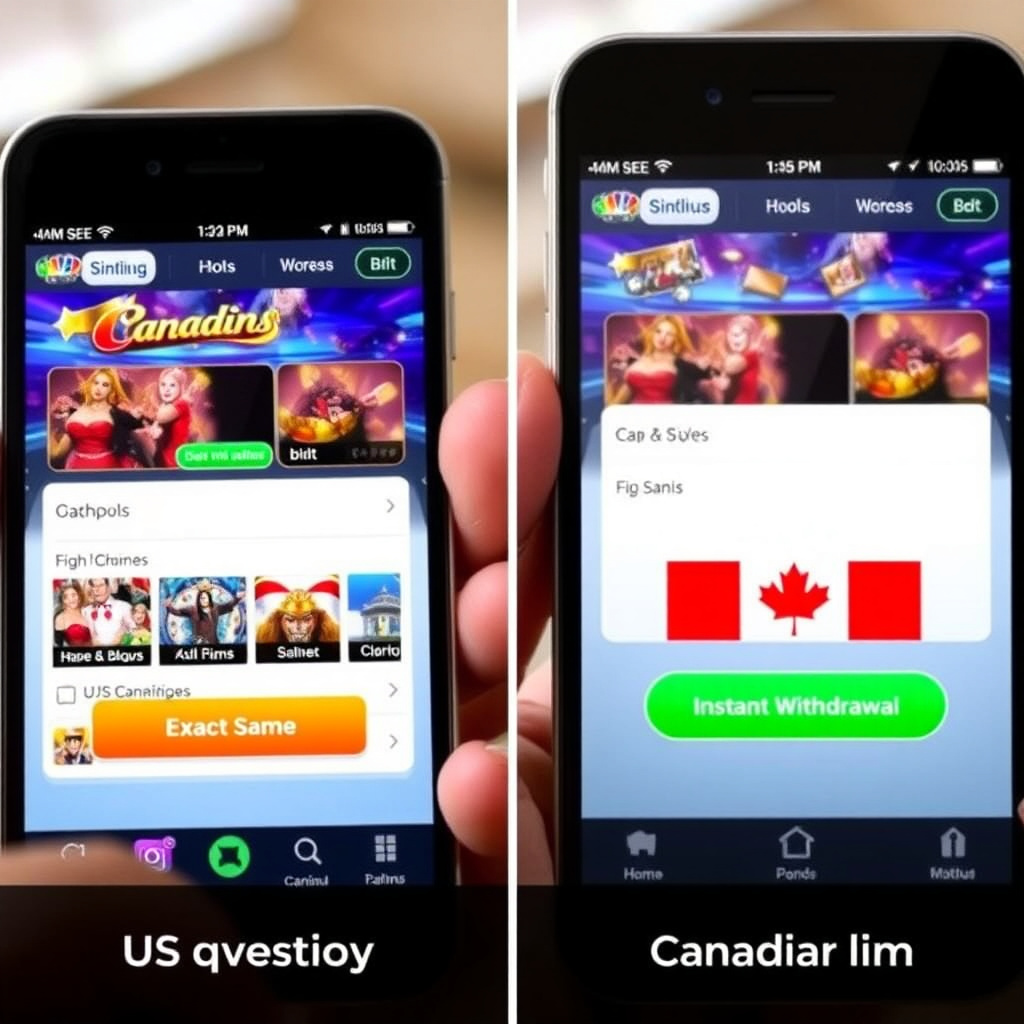
The cross-pollination isn't just regulatory — it's operational. Major players like FanDuel, DraftKings, BetMGM, and newer entrants operate in both the US and Canada. This creates natural competitive pressure to standardize best features across borders.
If an operator develops a better responsible gambling tool or faster payment gateway for their Ontario users, their New Jersey and Michigan users will demand the same features. Guaranteed. In 2026, social media and player forums have globalized the conversation. Players compare notes across the border constantly. This transparency forces operators to adopt 'best-of-breed' practices everywhere. We're not seeing inferior 'US-specific' apps anymore — we're seeing unified, high-quality product offerings across North America.
The Future of North American iGaming Integration (2026-2028)
Looking ahead to the next couple years, I'm predicting the lines between Canadian and US markets blur even further. We're already hearing whispers about potential cross-border liquidity pools for poker and progressive jackpots — regulatory hurdles remain significant, but if harmonized, this would create massive prize pools rivaling global lotteries.
I also expect a more unified approach to technical standards. Instead of operators certifying their random number generators (RNGs) separately for every state and province, we may move toward a 'North American Standard' of certification that's mutually recognized. This would drastically reduce overhead and allow faster deployment of new games and features.
Finally, collaboration on anti-money laundering (AML) and fraud detection will likely tighten. As financial crimes get more sophisticated, sharing data between US and Canadian gaming integrity units will be essential for maintaining a clean ecosystem. The bad actors don't respect borders — neither can the enforcement.
Conclusion
As we settle into 2026, the narrative that the US is the sole driver of North American gaming innovation is outdated. Canadian innovations in payment speed, regulatory structure, and player protection have fundamentally shaped the US iGaming market. By adopting the rapid withdrawal tech and safety nets pioneered by their northern neighbors, US operators have created a safer, faster, more enjoyable environment for players.
This cross-border exchange of ideas is mutually beneficial. Whether you're spinning reels in Toronto or Chicago, you're protected by world-class regulations and served by cutting-edge financial technology. For players, this harmonization means one thing: a better game.