The Evolution of Online Casino Payment Methods: How Cryptocurrency is Transforming Digital Gambling in the United States
The Evolution of Online Casino Payment Methods: How Cryptocurrency is Transforming Digital Gambling in the United States
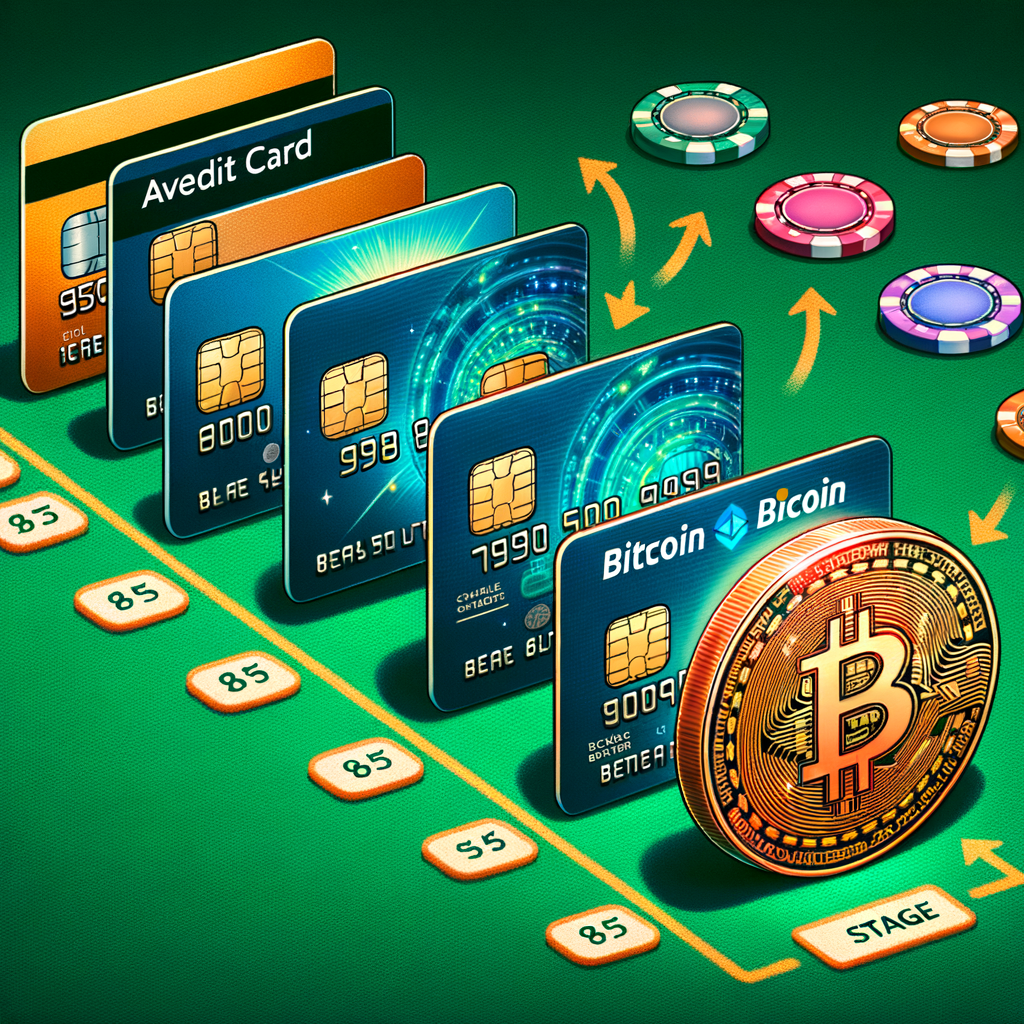
I've been watching the online gambling world for over twenty years now, and honestly? The way we move money around has changed more than the games themselves. For US players especially, getting funds in and out has always been the make-or-break factor when picking where to play. We've gone from those clunky, nerve-wracking early internet days to this streamlined, decentralized future that's unfolding right now.
What I want to dig into here is how crypto isn't just another payment option—it's actually reshaping the entire landscape of digital gambling in the States.
The Journey from Traditional to Digital: A Brief History of Online Casino Payments
If you were playing online back in the late 90s or early 2000s, you'll remember what a pain it was just to fund your account. Getting money into a casino sometimes felt riskier than the actual betting. Credit cards and wire transfers were pretty much all we had—Visa and Mastercard dominated, but man, those decline rates.
Constantly.
Then e-wallets started showing up. Neteller and Skrill (back when it was still called Moneybookers) became lifesavers because they put a buffer between your bank and the casino. That separation mattered. Prepaid cards and vouchers came next, giving us something closer to anonymous cash transactions online. Problem was, the fees were brutal and the limits were tight. All of this set the stage for something that would eventually turn the whole system on its head.
Why Traditional Payment Methods Face Challenges in US Online Gambling
To really get why crypto's taken off the way it has, you need to understand why traditional banking creates so much friction for American players. Even in states where sports betting and online casinos are completely legal, the federal banking infrastructure is still a massive roadblock.
Regulatory Hurdles and Banking Restrictions
The big problem? The Unlawful Internet Gambling Enforcement Act from 2006. UIGEA didn't actually make it illegal for you and me to gamble online—what it did was stop banks from knowingly processing gambling-related transactions. Fast-forward to today, and even in states with fully licensed, regulated online casinos, I keep hearing stories from players whose legit deposits get flagged or flat-out rejected. Why? Merchant category codes.
Banks see 'gambling' and panic, even when everything's above board.
Privacy and Security Concerns
Then there's the privacy angle. A lot of us don't want 'ONLINE CASINO DEPOSIT' showing up on our bank statements every month. Beyond the awkwardness, there's a real security issue—handing your card details to multiple casino sites just multiplies your exposure to potential breaches. In 2024, when identity theft is everywhere, the old model of sharing sensitive financial info for every single deposit feels outdated. And risky.
The Cryptocurrency Revolution in Digital Gambling
This is where things get interesting. Blockchain tech has basically solved most of the problems that plague fiat currency in gambling. Bitcoin, Ethereum, Litecoin—these aren't just trendy alternatives. They're decentralized, meaning they operate completely outside traditional banking rails. No central authority can kill your transaction, and transfer speed depends on network confirmations, not some bank's business hours.
Crypto's also spawned a whole new breed of specialized platforms built specifically for blockchain play. Take classic table games—niche sites have completely reimagined them for crypto. I've noticed the modern Bitcoin roulette sites deliver an experience that's light-years ahead of their fiat equivalents. Instant settlements, total transparency... stuff that simply couldn't exist before. The payment method itself becomes part of what makes the gameplay better.
How Crypto Transactions Work in Online Casinos
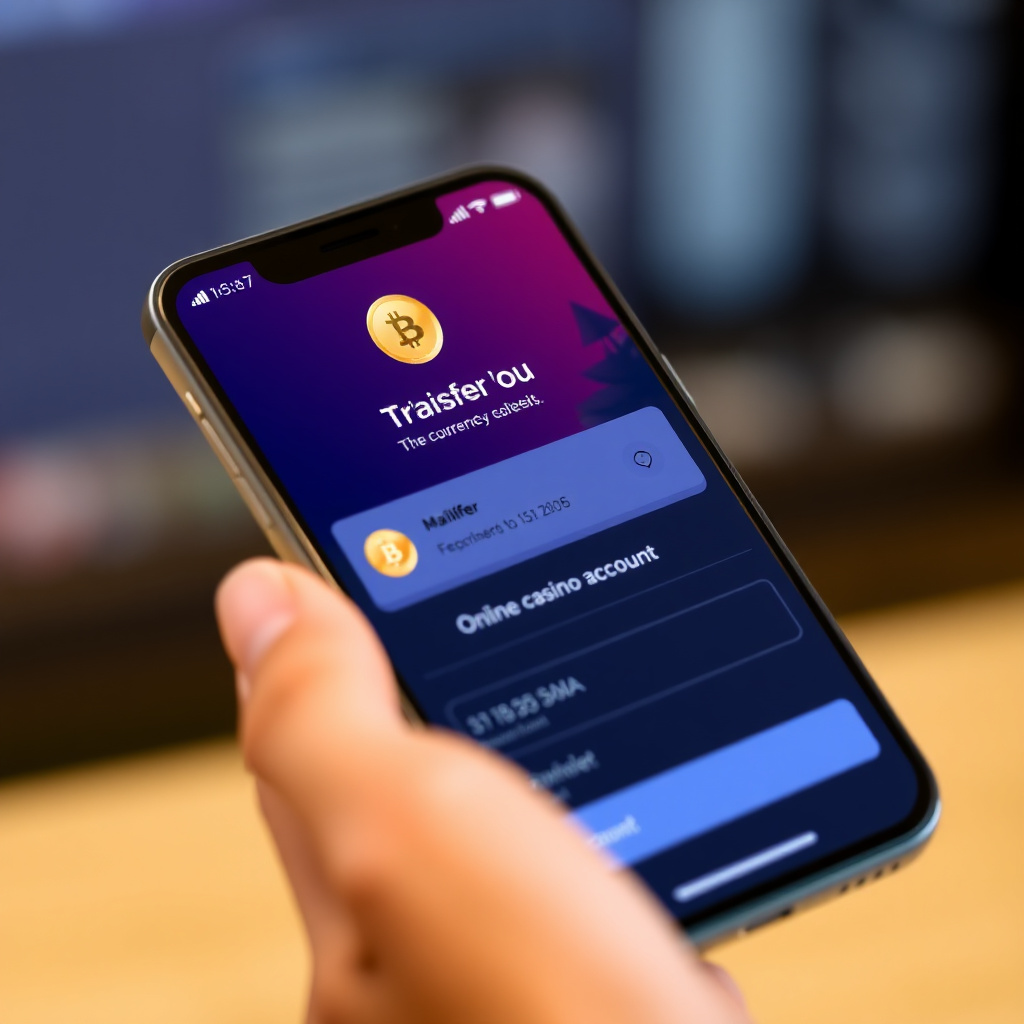
If you haven't tried it yet, the process is easier than you'd think. First, you set up a crypto wallet and buy your preferred coin from an exchange. When you're ready to play, you just copy the casino's receiving address, paste it into your wallet, and send the funds. The blockchain verifies everything—secure, permanent, no reversals. Withdrawals work exactly the same way backward: give the casino your wallet address, and the funds come straight to you. Zero banking middlemen.
Benefits of Cryptocurrency for US Online Casino Players
From where I'm sitting, the advantages for US players are massive. Speed is the first thing you notice—while a traditional bank wire can take 3 to 7 business days to land in your account, crypto withdrawals usually clear in minutes. Sometimes hours at most. That immediate access to your winnings? Changes everything.
Fees are way lower, too. Without banks and payment processors all taking their cut, more money stays in your pocket. There's also the global access factor—crypto basically erases borders, letting US players reach a much wider range of platforms (though you've still got to stay mindful of local laws). And then there's 'provably fair' gaming. This is huge: you can mathematically verify that a game outcome wasn't rigged. That level of trust simply doesn't exist with fiat casinos.
Challenges and Considerations for Crypto Gambling
I'd be lying if I said it's all upside. The most obvious problem is volatility. Bitcoin or Ethereum can swing wildly in a single day—you might crush it at the tables only to watch your value tank if the market dips before you cash out. On the flip side, a market spike could multiply your winnings while you sleep.
There's also a learning curve. Managing private keys, understanding gas fees... it takes some technical comfort. And the regulatory situation in the US is still a mess—some states are crypto-friendly, others are hostile, and the legal status of offshore crypto casinos lives in this murky gray zone. You've got to know how to separate the licensed, solid operators from the sketchy fly-by-night outfits that might just vanish with your coins.
The Future Landscape: What's Next for Casino Payment Methods
Looking forward, I think we're just scratching the surface here. My bet? Stablecoins like USDC and USDT are about to explode in the US gambling market. They deliver all the speed and security of crypto but they're pegged to the dollar—so the volatility issue that scares off casual players basically disappears.
We're probably going to see DeFi protocols integrated directly into gambling platforms, too. Imagine earning yield on your bankroll while you're not playing. And while it feels distant now, if the US actually launches a Central Bank Digital Currency, the lines between traditional banking and digital assets are going to blur in ways we can't fully predict yet.
Making Informed Choices: Tips for US Players
If you're thinking about making the switch to crypto gambling, start with security. Only play on sites with SSL encryption and a solid reputation in the community—don't skip that research. When you're checking out a new casino, make sure they offer 2-factor authentication to lock down your account.
Be smart about transaction costs. If Ethereum's congested and gas fees are spiking, switch to Litecoin or Bitcoin Cash for smaller deposits. Most important? Treat your crypto wallet like you'd treat your physical wallet. Never share your private keys or seed phrases with anyone—not even casino support. Stay informed, stay cautious, and you'll get to enjoy all the freedom and efficiency this financial shift brings to online gambling.